
The EV Push, Cybersecurity Threats & Supply Chain Breakdown: The Five Forces Reshaping UK Automotive in 2026
The UK automotive sector is undergoing one of its most disruptive periods in decades. Electrification, cybersecurity pressure, supply‑chain instability, and shifting retail economics are creating a turbulent environment across OEMs, suppliers, and dealerships.
According to a February 2026 industry analysis from Infor, the next 12–18 months will be defined by five critical forces.
1. The EV Transformation Is Accelerating - But Unevenly
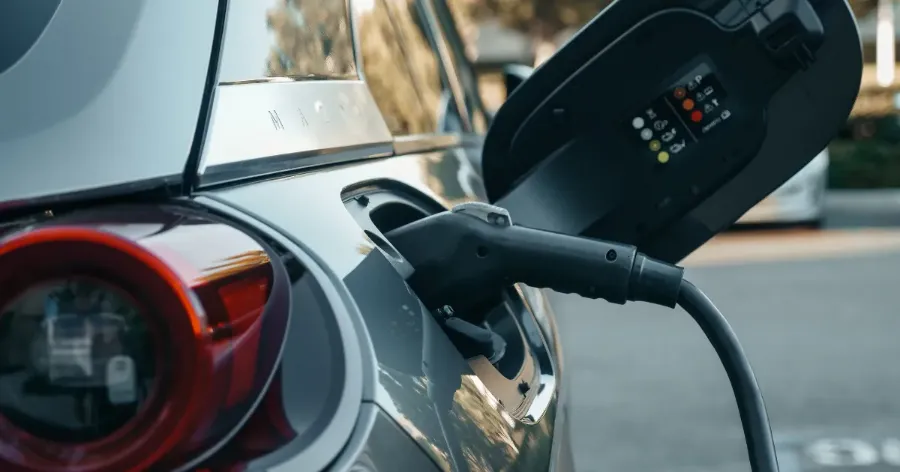
The UK government continues to invest billions in EV infrastructure and innovation to drive the transition to zero‑emission vehicles. EV share surpassed 20% in 2025, and adoption continues to grow.
But challenges include:
- Inconsistent consumer incentives
- High upfront costs
- Uneven regional readiness
- Capital‑intensive OEM retooling
- Supply constraints around batteries
Manufacturers must balance investment in EVs with realistic adoption timelines.
.png)
2. Cybersecurity Has Become a Core Business Threat
Cyberattacks on automotive operations are rising dramatically. The 2025 cyberattack on Jaguar Land Rover caused £1.9 billion in economic damage, a stark indicator of the sector’s vulnerability.
Key risks include:
- IT and OT system vulnerabilities
- Data theft across interconnected vehicle systems
- Supply-chain disruption caused by compromised OEM systems
Cyber resilience is now non‑negotiable for any automotive business.
3. Supply Chain Disruptions Are Now the Norm
Global instability continues to impact:
- Raw materials
- Semiconductors
- Freight capacity
- Port operations
- OEM production stability
Infor notes that shortages in microchips and materials remain critical bottlenecks, impacting output and revenue.
OEMs are responding by:
- Regionalising battery and component production
- Building long‑term supplier partnerships
- Investing in real-time visibility tools
.png)
4. Workforce Transformation Is Accelerating
OEMs and suppliers face a major workforce shift driven by:
- EV production requirements
- Automation
- Digital manufacturing systems
This requires rapid retraining and investment in new technical skill sets. With tens of thousands of automotive jobs lost across Europe in recent years, developing a competitive workforce is a top priority.
5. Dealer Disruption and Margin Pressure Are Reshaping the Retail Landscape
Dealership closures across the UK point to a retail model under stress.
Key pressures include:
- Margin erosion
- Online vehicle retailing
- Higher operational costs
- Lower footfall
With the sector shifting toward digital purchasing and service‑led revenue, dealerships must modernise or risk obsolescence.
Conclusion: A Defining Year of Transition
The UK automotive sector in 2026 faces intense pressure but also enormous opportunity. Businesses that invest in:
- Cybersecurity
- EV infrastructure
- Smarter supply chains
- Digital transformation
- Workforce development