
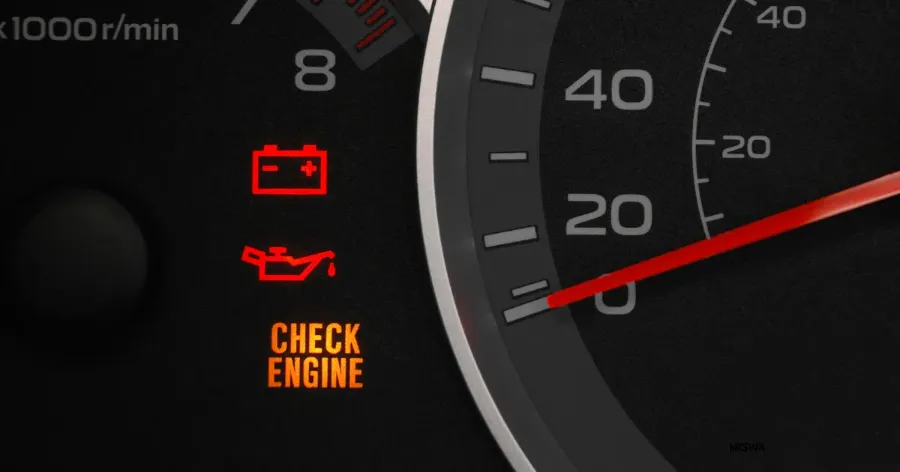
The Total Cost of Poor Fluid Management in Commercial Vehicles
For many fleet operators, vehicle fluids are simply part of routine maintenance. Engine oil is topped up, coolant levels are checked and AdBlue® is replenished when required.
However, when fluid management is neglected, the consequences can be far more expensive than many businesses realise.
A missed coolant check, contaminated brake fluid or low AdBlue level may initially seem like minor issues, but they can quickly lead to vehicle downtime, costly repairs and operational disruption. For fleets operating multiple vehicles, these costs can multiply rapidly.
In this article, we'll explore the true cost of poor fluid management and why a proactive approach can help improve vehicle reliability, reduce maintenance costs and protect valuable fleet assets.
Why Fluid Management Matters
Modern commercial vehicles rely on a range of specialised fluids to operate safely and efficiently.
These fluids are responsible for:
- Lubricating engine components
- Regulating operating temperatures
- Transferring braking force
- Supporting emissions systems
- Maintaining visibility in all weather conditions
Without proper monitoring and maintenance, these critical systems can begin to suffer reduced performance and increased wear.
A preventative approach to fluid management helps keep vehicles operating reliably while reducing the risk of avoidable breakdowns.
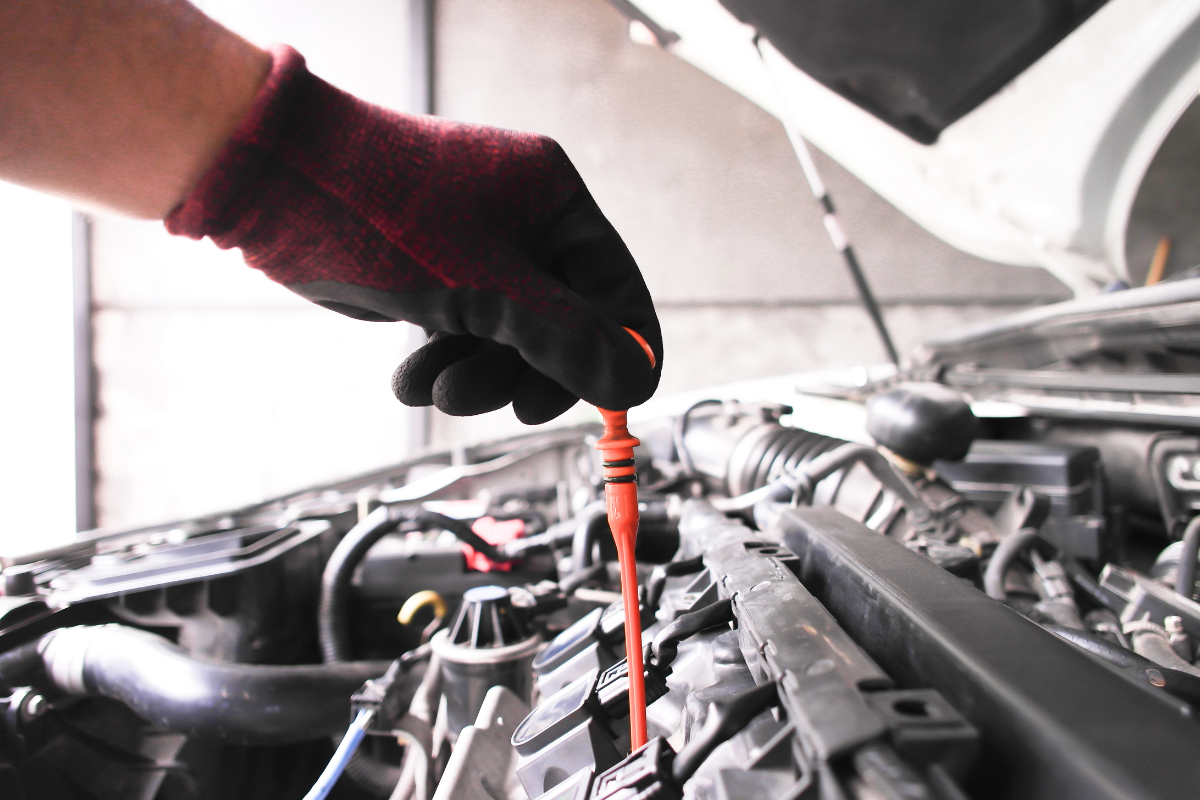
Engine Oil: The Cost of Neglect
Engine oil is often referred to as the lifeblood of an engine, and for good reason.
Its primary functions include:
- Reducing friction
- Minimising wear
- Cooling internal components
- Removing contaminants
- Protecting against corrosion
Over time, engine oil degrades and becomes less effective.
Poor oil management can contribute to:
- Increased engine wear
- Reduced fuel efficiency
- Premature component failure
- Expensive engine repairs
For commercial vehicles covering high annual mileage, routine oil inspections and scheduled replacements are essential for protecting engine performance and longevity.
Coolant and Antifreeze: Small Problem, Big Consequences
A cooling system issue can quickly become one of the most expensive maintenance failures a fleet experiences.
Coolant and antifreeze play a vital role in:
- Preventing overheating
- Protecting against freezing
- Reducing corrosion
- Supporting efficient heat transfer
When coolant levels are neglected or antifreeze protection becomes ineffective, engines can be exposed to excessive temperatures and accelerated wear.
Potential consequences include:
- Vehicle breakdowns
- Damaged radiators
- Failed water pumps
- Head gasket failures
- Significant downtime
Compared to the cost of major engine repairs, regular coolant maintenance is a relatively inexpensive investment.
Brake Fluid: An Often-Overlooked Safety Risk
Brake fluid is one of the most important fluids in any vehicle, yet it is frequently overlooked.
As brake fluid absorbs moisture over time, its performance can deteriorate.
This may lead to:
- Reduced braking efficiency
- Increased corrosion within braking systems
- Greater component wear
- Increased maintenance costs
For commercial fleets, maintaining braking performance is not only a safety issue but also a critical aspect of vehicle compliance and reliability.
Routine inspections and timely brake fluid replacement can help prevent costly repairs and support safe operation across the fleet.
.png)
AdBlue® and Emissions System Performance
Modern diesel commercial vehicles rely on SCR (Selective Catalytic Reduction) technology to meet emissions standards.
AdBlue plays a key role in supporting these systems.
When AdBlue levels are neglected, operators may experience:
- Dashboard warning messages
- Restricted engine performance
- Vehicle operating limitations
- Unexpected downtime
For fleet businesses, running out of AdBlue can result in operational disruption and unnecessary delays.
Maintaining adequate AdBlue supplies should form part of every preventative maintenance programme.
Screenwash: A Small Cost That Supports Safety
Compared with engine oil or coolant, screenwash may seem insignificant.
However, poor visibility can create serious safety risks, particularly during winter months or adverse weather conditions.
Quality screenwash helps:
- Remove road grime
- Improve visibility
- Reduce smearing
- Prevent freezing in low temperatures
Neglecting screenwash maintenance may not lead to a workshop repair bill, but it can affect driver safety and operational efficiency.
The Hidden Cost of Downtime
The financial impact of poor fluid management often extends beyond the repair itself.
A breakdown can trigger a range of additional costs, including:
- Lost revenue
- Delayed deliveries
- Driver downtime
- Vehicle recovery expenses
- Replacement vehicle hire
- Customer dissatisfaction
For fleet operators, the true cost of a preventable failure is often much higher than the cost of the initial repair.
A relatively small investment in routine fluid maintenance can help avoid significantly larger expenses later.
How Poor Fluid Management Affects Fleet Productivity
When a vehicle is unavailable, operations can quickly become disrupted.
Maintenance-related downtime can result in:
- Missed delivery schedules
- Reduced fleet capacity
- Increased pressure on other vehicles
- Additional administrative workload
Over time, repeated maintenance failures can affect overall fleet productivity and profitability.
Ensuring all critical fluids are routinely monitored helps improve reliability and reduce interruptions to daily operations.
.png)
Creating a Strong Fluid Management Programme
Effective fluid management doesn't need to be complicated.
Successful fleets typically focus on:
Regular Inspections
Routine checks help identify low levels, contamination and potential issues before they become major problems.
Planned Maintenance Schedules
Following manufacturer recommendations helps ensure fluids are replaced at the correct intervals.
Driver Awareness
Drivers should understand the importance of reporting warning lights, fluid loss and changes in vehicle performance promptly.
Using Quality Products
Choosing high-quality engine oils, antifreeze, brake fluid and AdBlue can support reliability and help protect critical vehicle systems.
Accurate Record Keeping
Tracking maintenance activities helps ensure no essential servicing tasks are missed.
The Long-Term Benefits of Proper Fluid Management
Businesses that prioritise fluid management often benefit from:
- Improved vehicle reliability
- Reduced breakdowns
- Lower maintenance costs
- Better fleet availability
- Increased vehicle lifespan
- Improved driver confidence
- Stronger operational efficiency
These advantages can have a significant impact on long-term fleet performance and profitability.
Conclusion
Vehicle fluids play a critical role in the performance, safety and reliability of modern commercial vehicles. While they may represent a relatively small part of a fleet's maintenance budget, neglecting them can result in expensive repairs, increased downtime and reduced operational efficiency.
From engine oils and antifreeze to brake fluid, AdBlue and screenwash, every fluid contributes to keeping vehicles operating safely and efficiently.
For fleet operators, a proactive fluid management programme is one of the simplest and most cost-effective ways to reduce maintenance costs, improve reliability and maximise vehicle uptime.
MISWA supplies a comprehensive range of automotive maintenance products including engine oils, antifreeze, brake fluid, AdBlue, screenwash and vehicle cleaning solutions to help commercial fleets operate at their best.
.png)
FAQ Section
Why is fluid management important for commercial vehicles?
Vehicle fluids support critical systems including engines, cooling systems, braking systems and emissions controls. Proper fluid management helps improve reliability and reduce breakdowns.
What happens if engine oil is not changed regularly?
Old or degraded engine oil can increase wear, reduce lubrication and potentially lead to costly engine repairs.
Can poor coolant maintenance cause vehicle downtime?
Yes. Low coolant levels or ineffective antifreeze can contribute to overheating, cooling system failures and unexpected breakdowns.
Why is AdBlue important for fleet vehicles?
AdBlue supports SCR emissions systems in modern diesel vehicles. Running low can lead to vehicle warnings, restricted performance and operational disruption.
How can fleet operators improve fluid management?
Regular inspections, planned maintenance schedules, driver reporting procedures and the use of high-quality products can all help improve fluid management across a fleet.