
OAT Antifreeze vs Traditional Antifreeze: Choosing the Right Coolant for Modern Engines
Modern vehicle engines operate under increasingly demanding conditions. Whether you're running a passenger car, commercial van, HGV fleet, agricultural vehicle or industrial machinery, maintaining the correct engine temperature is essential for performance, efficiency and reliability.
One of the most important fluids in any cooling system is antifreeze. Yet many vehicle owners are unsure about the differences between modern OAT antifreeze and traditional formulations. Choosing the wrong coolant can lead to corrosion, reduced cooling performance and costly repairs.
In this guide, we'll explain the key differences between OAT and traditional antifreeze and help you determine the right solution for your vehicle.
.png)
What Is Antifreeze?
Antifreeze is a specially formulated coolant concentrate designed to protect an engine's cooling system from freezing temperatures, overheating and corrosion.
When mixed with water, antifreeze:
- Lowers the freezing point of the coolant
- Raises the boiling point
- Protects against rust and corrosion
- Reduces scale build-up
- Helps maintain efficient heat transfer throughout the engine
Without adequate coolant protection, engines can suffer from overheating, damaged radiators, water pump failures and internal corrosion.
What Is OAT Antifreeze?
OAT stands for Organic Acid Technology. It is a modern antifreeze formulation designed to provide long-lasting protection for today's engines and cooling systems.
Unlike traditional coolants that use inorganic additives, OAT antifreeze relies on organic corrosion inhibitors that protect metal surfaces only where corrosion begins to form. This targeted protection helps extend coolant life while maintaining excellent cooling performance.
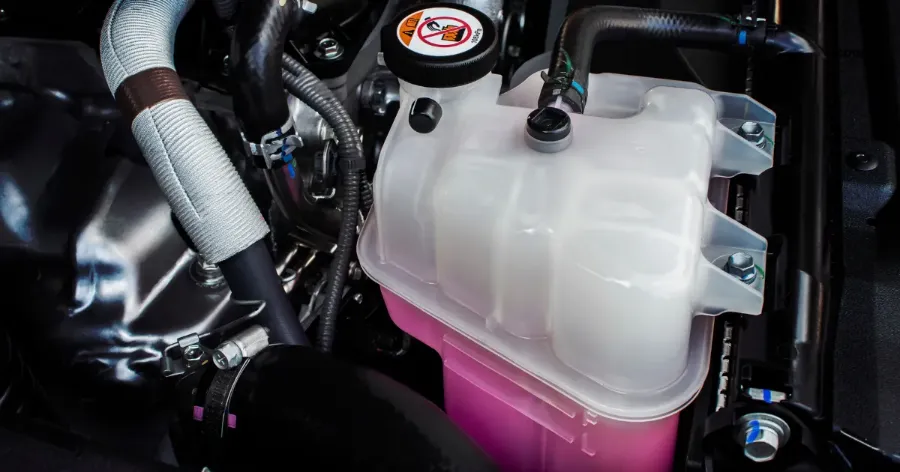
OAT antifreeze is commonly recognised by its red or pink colour, although colour should never be used as the sole method of identification.
What Is Traditional Antifreeze?
Traditional antifreeze, often referred to as IAT (Inorganic Additive Technology), uses silicates and phosphates to protect the cooling system.
These additives create a protective layer across all internal cooling system surfaces. While effective, the protection tends to degrade more quickly than OAT formulations, requiring more frequent coolant changes.
Traditional antifreeze is commonly found in older vehicles and equipment that were designed before OAT technology became widely adopted.
.png)
OAT Antifreeze vs Traditional Antifreeze
Service Life
One of the biggest advantages of OAT antifreeze is its extended lifespan.
Traditional coolants typically require replacement every two to three years, whereas OAT antifreeze can often provide protection for significantly longer intervals when used according to manufacturer recommendations.
For fleet operators, this means:
- Reduced maintenance downtime
- Lower servicing costs
- Improved operational efficiency
Corrosion Protection
Modern engines contain a variety of metals including:
- Aluminium
- Steel
- Cast iron
- Copper alloys
OAT technology provides highly effective protection against corrosion across mixed-metal cooling systems, making it particularly suitable for modern vehicle designs.
Environmental and Cost Benefits
Because OAT antifreeze generally lasts longer, it can contribute to:
- Reduced coolant disposal requirements
- Lower maintenance costs
- Fewer coolant changes over the vehicle's lifetime
Compatibility
While OAT offers significant benefits, it is important to use the coolant specified by the vehicle manufacturer.
Mixing incompatible coolant types can reduce performance and may lead to cooling system issues. Always check manufacturer guidance before changing coolant formulations.
Why Modern Vehicles Prefer OAT Antifreeze
Vehicle manufacturers continue to develop engines that run hotter and more efficiently than previous generations.
Modern cooling systems require advanced protection against:
- High operating temperatures
- Aluminium component corrosion
- Cavitation damage
- Long service intervals
As a result, OAT coolant has become the preferred choice for many modern cars, vans, HGVs and commercial vehicles.
.png)
Signs Your Coolant May Need Replacing
Even the highest-quality antifreeze should be checked regularly.
Common warning signs include:
Engine Overheating
If engine temperatures are rising unexpectedly, degraded coolant may no longer be providing adequate heat transfer.
Discoloured Coolant
Rust-coloured or contaminated coolant can indicate corrosion or system contamination.
Low Coolant Levels
Frequent top-ups may suggest leaks or cooling system issues that require attention.
Sludge Formation
Coolant that appears thick, cloudy or sludgy can indicate chemical breakdown or mixing of incompatible coolant types.
Best Practices for Cooling System Maintenance
To maximise engine protection:
- Follow manufacturer service schedules.
- Regularly check coolant levels.
- Inspect hoses and connections for leaks.
- Use the correct coolant specification.
- Avoid mixing different antifreeze technologies unless approved.
Routine cooling system maintenance can help prevent expensive repairs and improve overall vehicle reliability.
Choosing the Right Antifreeze for Your Fleet
For businesses operating commercial vehicles, reliability is everything. Cooling system failures can result in costly downtime, unexpected repairs and missed deliveries.
High-quality OAT antifreeze provides long-lasting protection against:
- Freezing
- Overheating
- Corrosion
- Scale formation
This makes it an excellent choice for modern fleets looking to minimise maintenance costs while maximising vehicle uptime.
Conclusion
Choosing the correct antifreeze is a simple but important decision that can have a major impact on engine performance and longevity.
While traditional antifreeze remains suitable for many older vehicles, OAT antifreeze offers significant advantages for modern engines, including longer service life, superior corrosion protection and reduced maintenance requirements.
Whether you're maintaining a single vehicle or an entire fleet, investing in the right coolant helps ensure reliable performance throughout the year.
MISWA supplies high-quality OAT antifreeze solutions for automotive, commercial and industrial applications. Explore our range of antifreeze products or contact our team for expert advice on selecting the right coolant for your vehicles.