
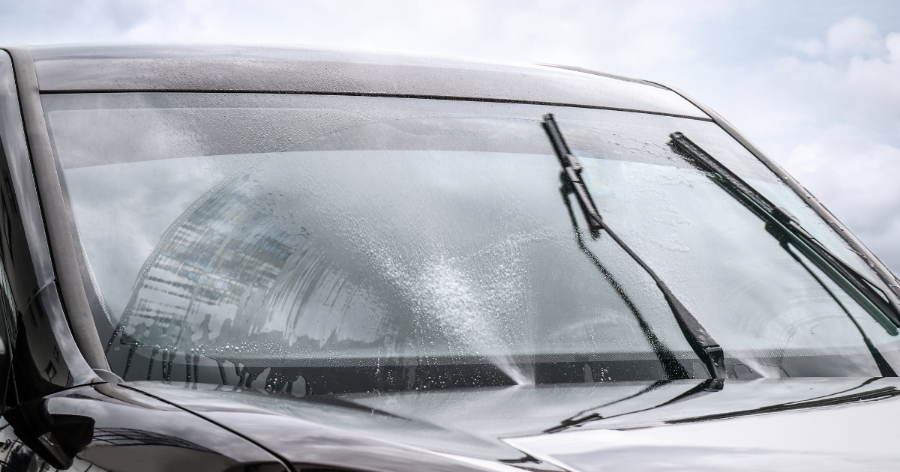
The hidden dangers of using water instead of screenwash in your car
We've all been there, the screenwash light on the dashboard shows it's is empty, you're in a hurry, and it's tempting to just fill it with tap water. After all, it's only meant to clean the windscreen, right? While this might seem like a harmless shortcut, using proper screenwash instead of water is actually far more important than most drivers realise.
The winter risk you can't ignore
The most critical reason to use screenwash is freeze protection. Plain water freezes at 0°C, and when it freezes inside your washer system, the consequences can be expensive. Frozen fluid expands, potentially cracking your washer reservoir, damaging pumps, and splitting pipes and jets. A screenwash with antifreeze properties will keep your system functioning even in sub-zero temperatures, preventing costly repairs that far outweigh the small cost of proper fluid.
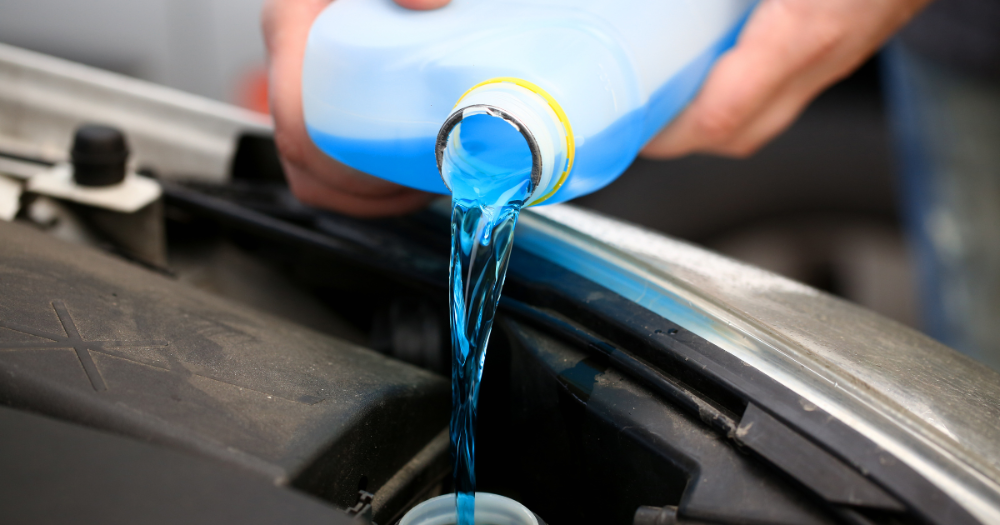
Cleaning power that actually works
Screenwash isn't just coloured water with antifreeze; it's formulated to tackle the specific grime your windscreen encounters. Road film, dead insects, tree sap, and oily residues from traffic pollution don't simply rinse away with water. Quality screenwash contains detergents and surfactants that break down these stubborn contaminants, giving you genuinely clear visibility rather than just smearing dirt around.
Plain water, by contrast, often leaves streaks and can actually make visibility worse, especially when combined with wiper blades that are trying to shift greasy film across the glass.
Protecting your investment
Modern windscreens aren't cheap to replace, and proper screenwash helps protect this investment. The additives in screenwash are designed to be gentle on glass, rubber seals, and paintwork, while also helping to prevent mineral deposits that can build up from hard water. Some formulations even include ingredients that help repel water and reduce wiper blade wear.
The bacterial problem
Here's something many drivers don't consider: stagnant water in your washer reservoir can become a breeding ground for bacteria, leading to unpleasant odours. Screenwash contains biocides that prevent this microbial growth, keeping your system fresh and hygienic.
.png)
Seasonal considerations
Different times of year present different challenges for your windscreen. Summer screenwash formulations are specifically designed to tackle the onslaught of insects that splatter across your windscreen during warmer months. These bugs don't just rinse off; their proteins bond to glass surprisingly quickly, and dedicated bug-removal screenwash contains enzymes that break down these organic compounds effectively.
Winter screenwash, meanwhile, focuses on freeze protection and dealing with road salt and grime. Many quality products now offer all-season formulations that provide year-round protection, though serious winter drivers might want to switch to a dedicated cold-weather product when temperatures regularly drop below freezing.
Legal and insurance implications
While it might seem unlikely, driving with an empty or non-functional washer system could technically result in a fixed penalty notice in some jurisdictions, as it's considered a condition that could affect safe driving. More importantly, if you're involved in an accident where poor visibility was a factor, and your washer system wasn't working properly, insurance companies might take a dim view of your claim. Maintaining a properly functioning washer system with appropriate fluid isn't just good practice; it's part of your legal responsibility as a driver.
.png)
A small investment in safety
At the end of the day, your windscreen is crucial for safe driving. Clear visibility can be the difference between spotting a hazard in time and not seeing it at all. For a few pounds per bottle, often lasting months, screenwash is one of the cheapest and most effective safety investments you can make for your vehicle.
So next time that reservoir needs topping up, resist the temptation to reach for the garden hose. Your car, your windscreen, and your safety are worth the proper product.